What Is an ISOFIX Car Seat?
An ISOFIX car seat refers to a type of child car seat that attaches to special metal anchors found in vehicles. The anchor positions themselves are found between the vehicle seat's cushion and the back. This particular system allows the seat to be installed without the need for a seatbelt. Examples of ISOFIX car seats are the baby car seats, toddler car seats, and convertible car seats.
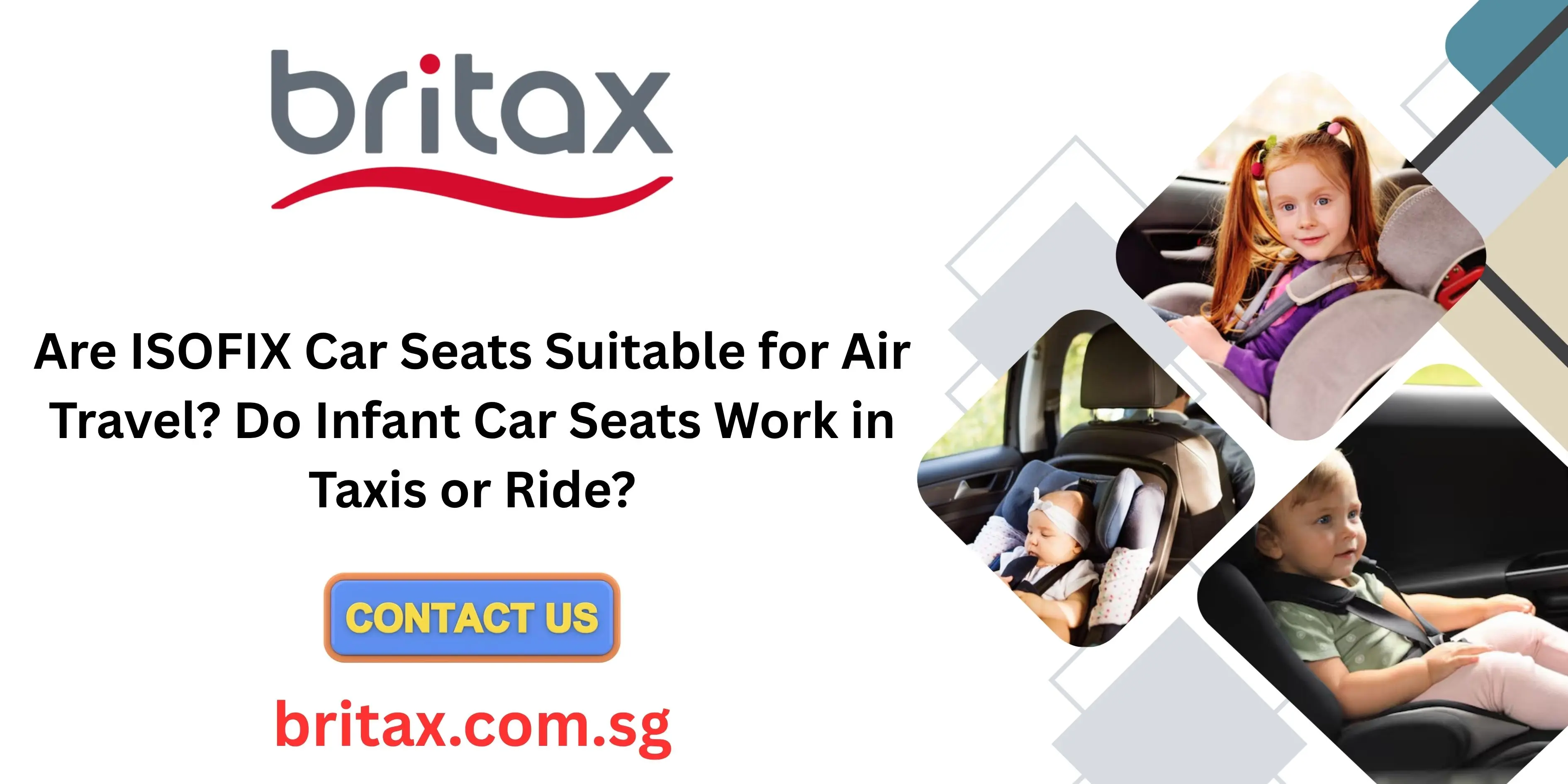
Are ISOFIX Car Seats Suitable for Air Travel Use Cases?
Absolutely, you may take ISOFIX car seats during flights, but you cannot use the ISOFIX system when securing them to the aircraft seat. You have to fasten the car seat using the seat belt provided in the aircraft. Always make sure that the airline has approved the use of the car seat during flights.
Safety Benefits of Using Car Seats on Planes
Car seats ensure that babies remain safe when traveling on airplanes. Car seats prevent injuries in case of turbulence. In addition, car seats ensure that the child is seated in a secure manner. The seat belts used in aircraft are not suitable for securing children.
When ISOFIX Seats Work Well on Flights
The use of ISOFIX baby seats is ideal when the seats allow for seatbelt attachment. Additionally, small baby ISOFIX seats can be used comfortably in aircraft seats. ISOFIX baby seats are suitable where the parent wishes to use the same seat after landing using a vehicle.
When ISOFIX Seats Do Not Work Well
ISOFIX car seats become useless when they rely on base systems alone. The bigger toddler seats tend not to fit into aeroplane seats. The weighty car seats can cause problems when travelling. Approval may not be available from some airlines for particular seats.
Should You Bring an ISOFIX Car Seat for Travel?
The ISOFIX child restraint system would be suitable to bring if it supports seatbelt usage and if it is airline-approved. This would also be suitable if it is required for use in a car after arrival at the airport. This seat should not be brought if it is heavy and bulky.
Travel-Friendly Alternatives
Car seats designed for travel are more effective when flying. This includes lightweight travel seats, FAA-approved travel seats, and portable booster seats for older kids. Child restraint systems may also be available on airplanes.
How to Install a Car Seat on a Plane
For fitting the car seat on an airplane, you should put the car seat onto the airplane’s seat and secure it using the seatbelt. Pass the belt through the designated guide channel on the car seat. Ensure the belt is fastened tightly. Confirm that the car seat is stable and doesn’t slide from side to side.
Common Mistakes Parents Make
Parents usually have problems with ISOFIX base-only seats, which are not allowed on airplanes. Some parents do not consider the compatibility of their seats with the airlines' policies. Others go with the bigger seat, which is too heavy. Lack of practice in installing the seat belt is another problem.
Tips for Air Travel with ISOFIX Seats
Parents must ensure the airline allows the seat in its policy before purchasing tickets. They must practice the installation of the seat belt at home. A cover for traveling helps prevent any damage. Parents could choose to have the window seat, which allows more space.
What are Infant Car Seats?
An infant car seat is kind of a special seat meant to protect babies while they are traveling in a vehicle. This seat faces the back of the vehicle and keeps your baby safe while traveling. The baby is seated in such a way that his/her head and neck are supported.
Do Infant Car Seats Work in Taxis or Ride Services?
Yes, infant car seats for cars are fit for taxis and ride services too. They offer adequate protection for newborns when properly installed. Secure fitting into seat belts or ISOFIX and always using safety precautions to ensure the best protection is used with the parent or carer.
Main Challenges in Taxis and Ride Services
Problems associated with taxis and rides include cramped conditions, lack of in-built child seat mechanisms, time constraints by the driver, and trouble fitting baby seats in the vehicle. Parents also face issues such as stress, lack of help from the driver, and use of compact cars.
Best Way to Use Infant Car Seats in Ride Services
Parents can follow a few simple steps for safe travel, really.
Step 1: Choose the Right Car Seat
Purchase an easy-to-install car seat for infants, which is compatible with normal seat belts and enables safe travel when traveling backwards with your infant.
Step 2: Learn Installation
Practice installing the infant car seat at your residence as often as possible, so you know how to install it promptly in the ride service.
Step 3: Book Larger Cars
Try to pick bigger ride options with more rear space, so the infant car seat goes in easily, and the fitting feels safer, also more comfortable.
Step 4: Install Quickly
Put the infant car seat in place and fasten it before the driver stands around too long while you keep attention on the proper fitting and safety.
Step 5: Check Stability
Once you install it, give the car seat a tiny shake, make sure it does not move, and that it stays snug and secure for a steady, safe ride for your baby.
Why Infant Car Seats Matter in Ride Travel
Infant car seats are crucial in ride transportation as they ensure the safety of infants in instances of emergencies such as abrupt halts and collisions. Infant car seats prevent movement of an infant’s head, neck, and back during taxi transport and ride-sharing services.
Pros of Using Infant Car Seats in Taxis and Ride Services
High safety level
Better crash protection
Control over seat quality
Works in all vehicles
No dependency on driver equipment
Cons of Using Infant Car Seats in Taxis and Ride Services
Setup takes time
Heavy to carry
Stress in public places
Not all cars fit easily
Driver impatience
Safety Tips for Taxis and Ride Services
Safety measures when using a taxi or ride service include sitting in the back, securing the baby in the harness, sitting in the backseat, ensuring the seat is stable before travelling, not carrying the baby while riding, and using the same car seat all the time.
Conclusion
ISOFIX car seats give pretty strong safety in cars, but on planes, you still need to use the seatbelt, even if the base is there. Parents should check the airline rules beforehand, because policies can differ a bit. Also, infant car seats can work in taxis too, as long as they are installed the right way and fitted securely. Good preparation, a little practice, and a solid, snug setup keep children safe all the time, for every journey, no exceptions.