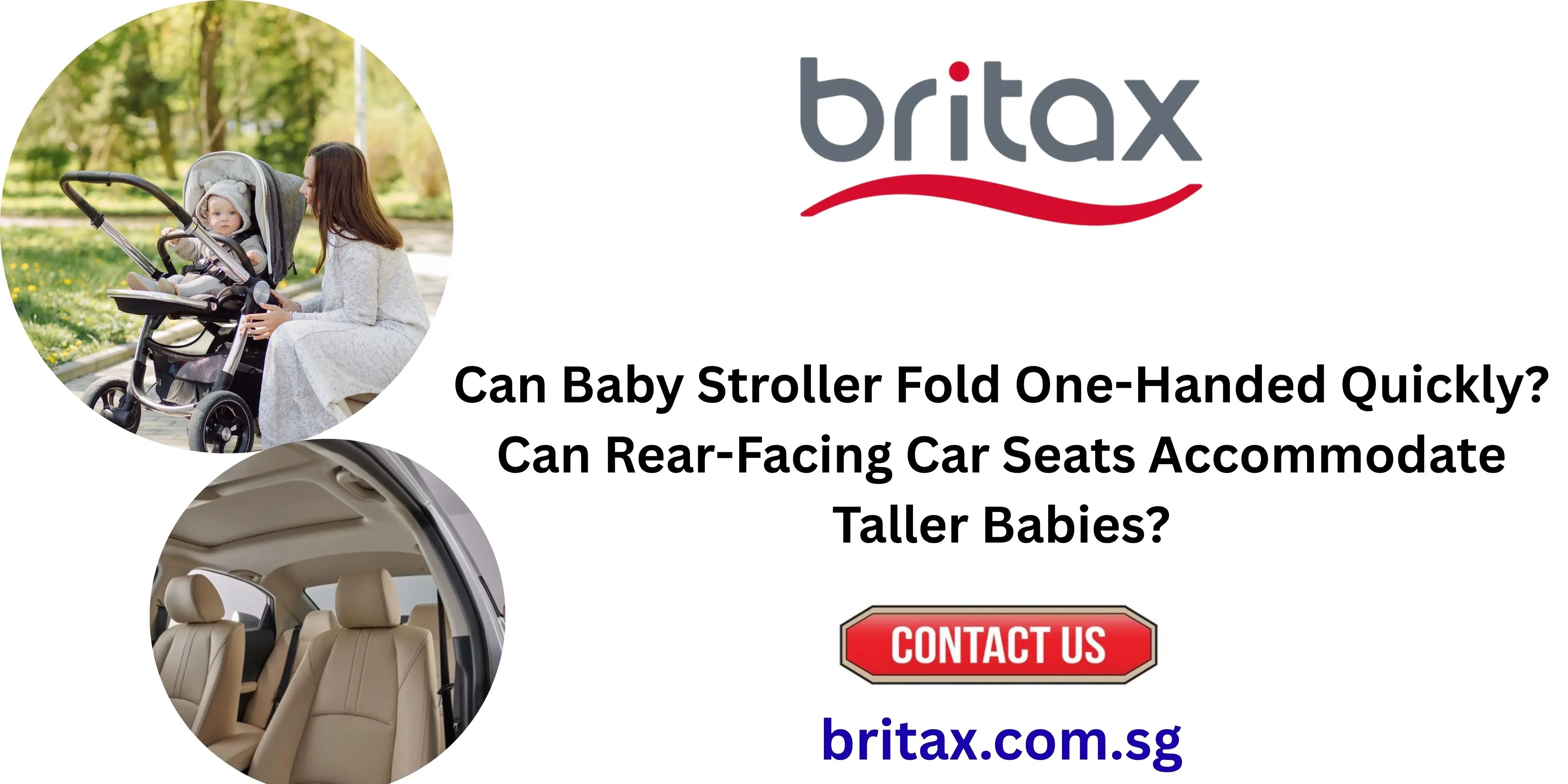
The baby stroller is a transport vehicle on wheels used to transport babies and infants comfortably and safely. The stroller has a seating area, safety belt, canopy, and a basket to store things, thus making life easier for parents in doing their daily chores.
What Is a One-Hand Fold Baby Stroller?
The one-hand fold baby stroller comes with a folding mechanism that needs one hand to fold down the structure of the stroller. This stroller does not need any lock or complex procedures, but uses buttons or a strap to do so. Today, most top-of-the-line as well as budget strollers come with such features.
Key Features
One-step folding system
Automatic locking after folding
Lightweight frame
Compact folded size
Easy carrying handle
Quick unfolding mechanism
Travel-friendly design
How Does a One-Hand Folding System Work?
A one-hand folding mechanism can be achieved using a button, strap, or trigger attached to either the handle of the stroller or its seat. When engaged, the mechanism disengages the frame, which allows for easy folding within seconds. These folding mechanisms are mostly automatic locking when folded.
Benefits of a One-Hand Folding Baby Stroller
Folding baby strollers that are made to be folded by just one hand provide convenience for busy parents. They are designed to fold swiftly while you have your baby on hand. They are very useful when one travels and goes about their routine activities, owing to their portability and small size.
Step-by-Step: How to Fold a One-Handed Stroller Correctly
Though each type of stroller is different, here is a step-by-step process of folding the same:
Remove the baby from the stroller and remove the baby seat, if provided, before folding.
Position the reclining feature into the upright position. For many strollers, this will make the folding process much easier.
Find the mechanism that releases the stroller. This mechanism is normally located on the handlebars or sidebars and sometimes at the base of the seat.
Press down or pull the release mechanism using one hand as you use the other hand or even your foot to guide the frame down.
Check that the stroller clicks into place or locks.
Performing this movement a couple of times at home, before being rushed for airport screening or parking in the rain, can make a world of difference in both your speed and confidence.
Common Reasons a One-Handed Fold Feels Slow or Difficult
If you have a stroller advertised as being one-handed, yet it seems slow to fold, most likely the problem is caused by one of these factors:
Trapped material between hinges in the form of snack trays, bottle holders, or blankets
The recline feature is not in its upright position, which prevents folding action on many strollers
Unaligned wheels, especially in the case of strollers equipped with swivel front wheels, must be adjusted to the proper position first.
Debris accumulated in the folding joints, which is rather frequent after some time of use outside
The child/seat is not detached from the stroller, making it heavier than intended.
Maintenance of cleaning hinges and removing debris ensures the folding mechanism operates as smoothly as on its first day.
What to Look for When Buying a Quick-Folding Stroller
When quick, single-handed folding is important, look for these considerations when shopping:
Release mechanism controlled with only one trigger situated on the handlebars
Self-standing fold so that the stroller would not fall when folded
Automatic lock system for both open and folded states
Compact size in folded state, suitable for storage in small cars and overhead compartments
An aluminum frame, which is usually easier to fold in comparison with the steel frames
Reputable real-life customer reviews, as manufacturers' claims regarding fold speed sometimes don’t correspond to reality in the case of using a stroller with a baby and a diaper bag
Who Benefits Most From One-Hand Folding?
The one-hand technique is especially useful for busy parents, care providers, grandparents, and frequent travelers, since the folded stroller can be easily stored even while holding a child, carrying items, or traveling by public transportation.
Introduction of Rear-Facing Car Seats
A rear-facing car seat is the safest position for children and infants traveling inside a car. Most parents become concerned about the size of their baby in relation to a rear-facing seat, especially once their infant begins bending their legs. However, size cannot be used to determine if your baby can still use a rear-facing seat.
Today’s rear-facing seats take into account the fact that children, even tall ones, continue to grow, and offer excellent protection for the child in case of an accident. Height limit, weight limit, and correct fitting will help parents rear-face their children as long as they can.
Can Rear-Facing Car Seats Accommodate Taller Babies?
Rear-facing car seats are safe for even tall babies, provided that they are still within the height and weight recommendations of the manufacturer. The newer convertibles have higher shells, are capable of adjusting their headrest, and have a greater rear-facing capability, thus enabling the baby to stay rear-facing for a longer time period. Bending of the legs is natural.
Benefits of Keeping Taller Babies Rear-Facing
Rear-facing tall babies have better protection of the head, neck, and spine during accidents because they disperse the force of impact throughout the whole back, reduce the chances of injuries, promote the correct development of the spine, and are based on the latest guidelines concerning baby passenger safety.
Signs Your Baby Has Outgrown Their Rear-Facing Seat
Look out for the following signs indicating the proximity to the height limit of your rear-facing car seat:
Less than an inch of clearance from your baby’s head to the top of the car seat shell.
Your baby’s shoulders are higher than the uppermost rear-facing harness level despite adjusting to the maximum position.
Legs always bent awkwardly and uncomfortably, but not a safety issue (see below).
The height or weight limit indicated by the manufacturer of the car seat has been exceeded.
If any of these apply, it's time to look at seats specifically designed for extended rear-facing use.
How to Accommodate a Taller Baby While Staying Rear-Facing
1. Choose a Convertible or All-in-One Car Seat
The all-in-one or the convertible toddler car seat comes with a high shell, high harness slots, and rear-facing ability, making it possible for bigger babies to remain rear-facing for long periods.
2. Look for High Rear-Facing Height & Weight Limits
It is important to compare the height and weight capabilities of each toddler car seat and pick one that is capable of supporting the tall and heavy children in your rear-facing mode.
3. Check the Range of the Harness Slot Adjustment
Select a toddler car seat that has the ability to adjust the height of the harness. It will help in growing safely and delay the move towards forward-facing mode.
4. Check for Seat Shell Depth & Design
A toddler car seat with a deep and high shell will allow more room for the head and legs of a tall baby. Such a design is also safer in terms of rear-facing.
5. Remedy Periodically
Take the measurements of the infant periodically to make sure he or she meets the requirements of the toddler car seat and can continue traveling in a rear-facing position.
Choosing the Right Seat: Key Features to Look For
In choosing a rear-facing seat for a tall baby, one should consider:
Rear-facing height limit (desirable if 40 inches and above)
Adjustable headrest to accommodate the baby's growth
Harness system without the need for re-threading when adjusting
Shell made of steel reinforcement or depth extension for increased headroom
Labels showing both height and weight limits on the seat itself
Conclusion
A one-hand folding baby stroller can make your everyday traveling easier, as it will allow you to store it quickly and conveniently with just one hand. With the following manufacturer height and weight limits, rear-facing car seats are safe for taller babies. Opting for quality items that offer the ability to adjust their features for added comfort, convenience, and safety can make each day easier on parents, allowing them to help their child grow while keeping him or her secure on the road.