Introduction to Rear-Facing Car Seats
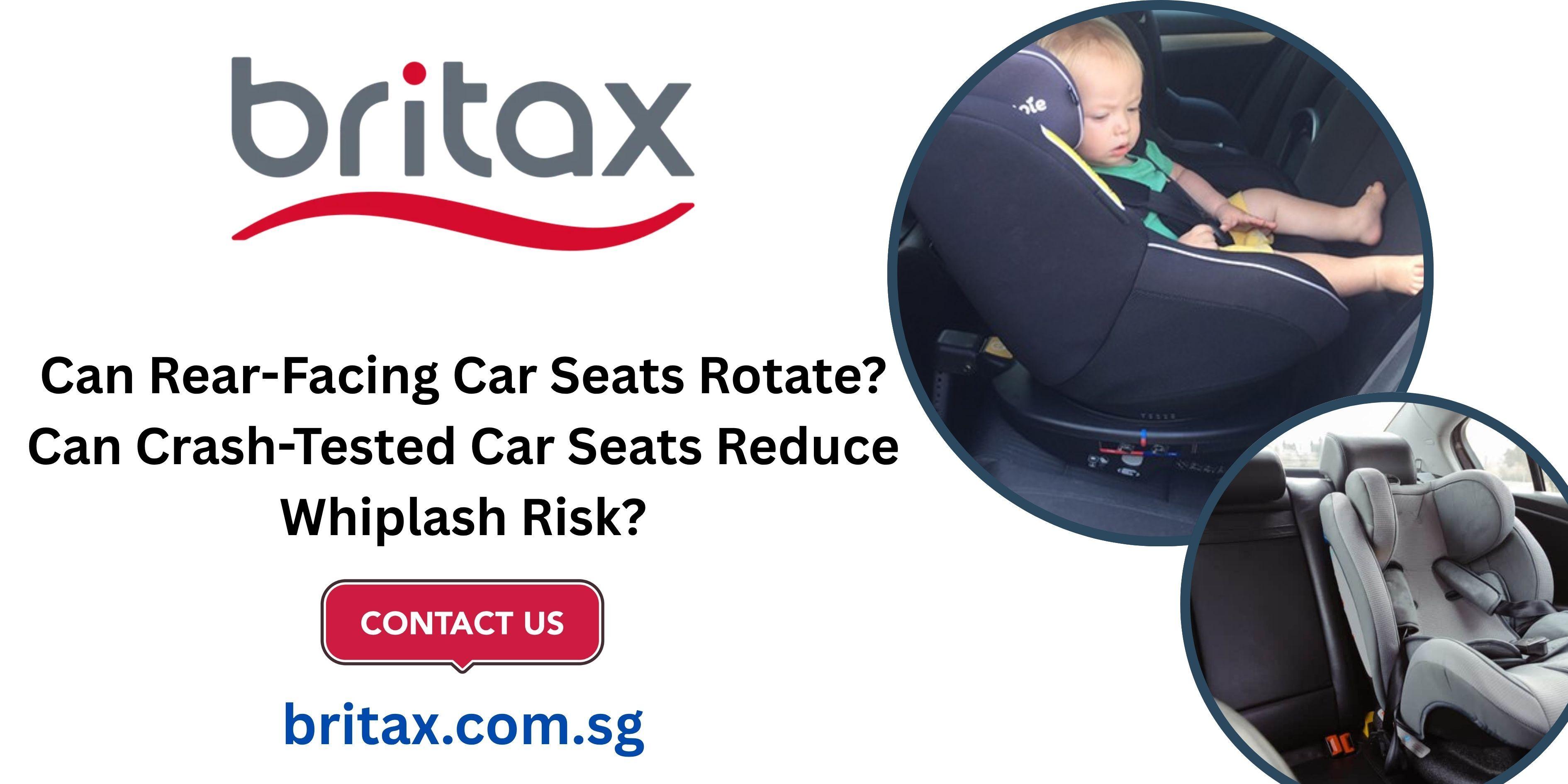
Rear-facing automobile seats have been known to be the most comfortable when it comes to infants and toddlers. Safety experts believe that children aged below two years are five times safer in the rear-facing car seats in case of a collision. The seats have a way of cradling your child and spreading the crash forces on the back, neck, and head instead of the sensitive parts of the body.
Understanding the Mechanics of Rear-Facing Car Seats
The conventional rear-facing car seats are in place as soon as they are installed. But new models could have a swivel or rotation system, which enables the seat to be turned to the car door.
How Car Seats Are Installed
Rear-facing seats are normally fitted in:
Seat belts
ISOFIX/LATCH systems
Top tether (with some models)
Safety in the installation of the seat is to make sure that the seat is not fitted to rock.
Swivel Mechanisms
Rotating seats have a base that enables the rotation of the seat. This aspect will enable you to fit your child in the seat more conveniently and take her out without lifting your back.
Benefits of the Rear-Facing Position
The rear pose has massive safety benefits:
Increased frontal collision protection.
Less effect on the neck and the spine.
Increased distribution of the crash force.
Minimal risk of injury amongst infants and toddlers.
According to the recommendations of safety experts, children should be made to stay rear-facing as long as the seat allows them.
Can Rear-Facing Car Seats Rotate?
Some rear-facing car seats could be turned around; however, not all of them are. Rotating seats of cars have special designs, which are swivel-based, and hence easier to access whenever placing or taking a child. They ought to be locked in place at all times during driving as a way of safety.
Pros of Rotating Rear-Facing Car Seats
Rear-facing seats can be rotated and have several benefits:
The child is simpler to put in.
Reduced back strain and bending amongst parents.
Faster buckling process
Better access to narrow areas.
Convenient for a car of restricted ability.
Convenience factor is an advantage to many families.
Cons of Rotating Rear-Facing Car Seats
The rotating seats, however, have their disadvantages, though:
Premium price on top of the regular seat.
Mechanical parts are more complicated.
Potential incompatibility with certain vehicles.
Heavier design
Maintenance requirements
Families ought to consider the convenience versus cost and compatibility of a vehicle.
Step-by-Step Guide to Using a Rotating Rear-Facing Car Seat
1. Proper Use Is Essential for Safety
When installed and used properly maximum protection is guaranteed. Always read the manufacturer's guidelines properly, ensure stability at frequent intervals, and ensure that the seat is correctly mounted before every ride.
2. Installation Basics
Installation can be done via a vehicle seatbelt system or via the LATCH system. Make sure that the seat is firmly in place, in the correct position, and moves minimally both horizontally and vertically.
3. Rotating Your Seat Safely
Parks are entirely round. Unlock the mechanism, turn the door side, transport the child, turn back, and make sure that it clicks. Always lock up before driving.
When Should a Child Use Rear-Facing Mode?
Safety Experts Recommend:
Having children put in the back seat as much as possible.
Adhering to the height and weight specifications of the car seat manufacturer.
It is only when the child exceeds rear-facing limits that the transition takes place.
The rear-facing seat is the safest seat in a crash to position young children since it provides better support to the head, neck, and spine.
Common Myths About Rotating Rear-Facing Seats
Myth 1: All Car Seats Rotate
All car seats do not have rotation features. Swivel mechanisms are only built in certain models as opposed to most rear-facing seats which are fixed.
Myth 2: Rotation Makes the Seat Unsafe
It does not make rotation unsafe as long as it is well-installed and locked. The seat is of a safety standard, and the rotation is made convenient, but it is not to be used for driving.
Myth 3: Rotation Replaces Rear-Facing Safety
Rotation is not a substitute for rear-facing protection. It simply improves access. Children should not be allowed to be front-facing in their seats, as it is unsafe during the weight and height restrictions to provide maximum safety in case of a crash.
What Are Crash-Tested Car Seats?
Seats that have gone through intensive safety checks to determine how they perform during collisions are referred to as crash-tested car seats. The safety organizations and regulatory bodies carry out these tests.
Crash testing evaluates:
Rear-impact protection
Side-impact resistance
Head and neck support
Structural integrity
These seats have been typically ranked as part of safety programs like NCAP (New Car Assessment Programs) or registered by such organizationsase IIHS (Insurance Institute for Highway Safety).
Can Crash-Tested Car Seats Reduce Whiplash Risk?
Car seats that have undergone a crash-test are capable of greatly reducing the possibility of whiplash due to the enhanced head support, shock absorption, and better seat design. Although they cannot fully prevent injuries, headrests adjusted correctly, and hi-tech safety measures do contribute to restricting the movement of the neck in case of rear-end collision, thereby diminishing the extent of the whiplash injuries.
Why Whiplash Happens in Rear-End Crashes
The whiplash normally occurs when a vehicle is hit from behind. The thorax moves in line with the seat, but the head does not move immediately, leading to rapid neck extension and flexion. This movement is capable of putting undue strain on the cervical spine and tissues around it.
The safety officials emphasize that:
The risk of whiplash is highly dependent on the geometry of the head restraints and the seatback.
In the field trial, proper anti-whiplash systems can significantly lower the risk of injury in any crash.
Key Features in Crash-Tested Seats That Protect the Neck
Adjustable head restraints
Energy-absorbing seat backs
Reinforced seat frames
Optimized seat geometry
The characteristics of these devices are specially created in order to minimize the retrograde movement of the head in a collision.
How Car Seats Reduce Whiplash Risk
The crash-tested car seats also prevent whiplash by limiting the motions of the head and the torso during the impact. Effective seat design restricts too much head movement.
Role of Headrests in Whiplash Prevention
Headrests (also known as head restraints) play an essential role in the prevention of whiplash.
Effective headrests should:
Be sitting at the right height (top at the same level as the head)
Be located nearest to the back of the head.
Move dynamically in a state-of-the-art environment.
Limit rearward head motion.
The correctly aligned headrest causes the head to travel a shorter distance in the impact.
Seat Back Design and Its Importance
Protection is also significantly provided by the seat back.
Important features include:
Strong lumbar support
Bidirectional motion (recoil management)
Shock-absorbing materials
Stable structural design
A seat that is able to take the impact of a crash reduces the amount of force on the neck.
Emerging Technologies in Car Seat Safety
The car manufacturers are coming up with superior safety systems, and these include:
Smart sensors that sense collision force.
Automatic headrest control.
Active head restraint system.
Inbuilt crash detection solutions.
These are innovations that are meant to result in the minimization of risks of neck injuries.
Choosing the Right Seat for Your Vehicle
Proper Installation and Fit are also Important in Safety.
Front vs Rear Seating Considerations
Some rear seats can have headrest designs.
Front seats are usually more adjustable.
The risk of whiplash may differ depending on the seating position.
Installation and Fit
To maximize protection:
Make sure that the headrest length is equal to your head.
Have the headrest near your head.
Sit in an erect posture.
Use seat belts correctly.
Correct positioning is a significant improvement to crash protection.
Conclusion
Rear-facing auto seats, such as rotational ones, are very protective when installed and used correctly. The support headrests and energy-absorbing design of the crash-tested seat can reduce the risk of whiplash, such that the neck movement during collision is minimized, which is more protective to children and comfortable to caregivers.