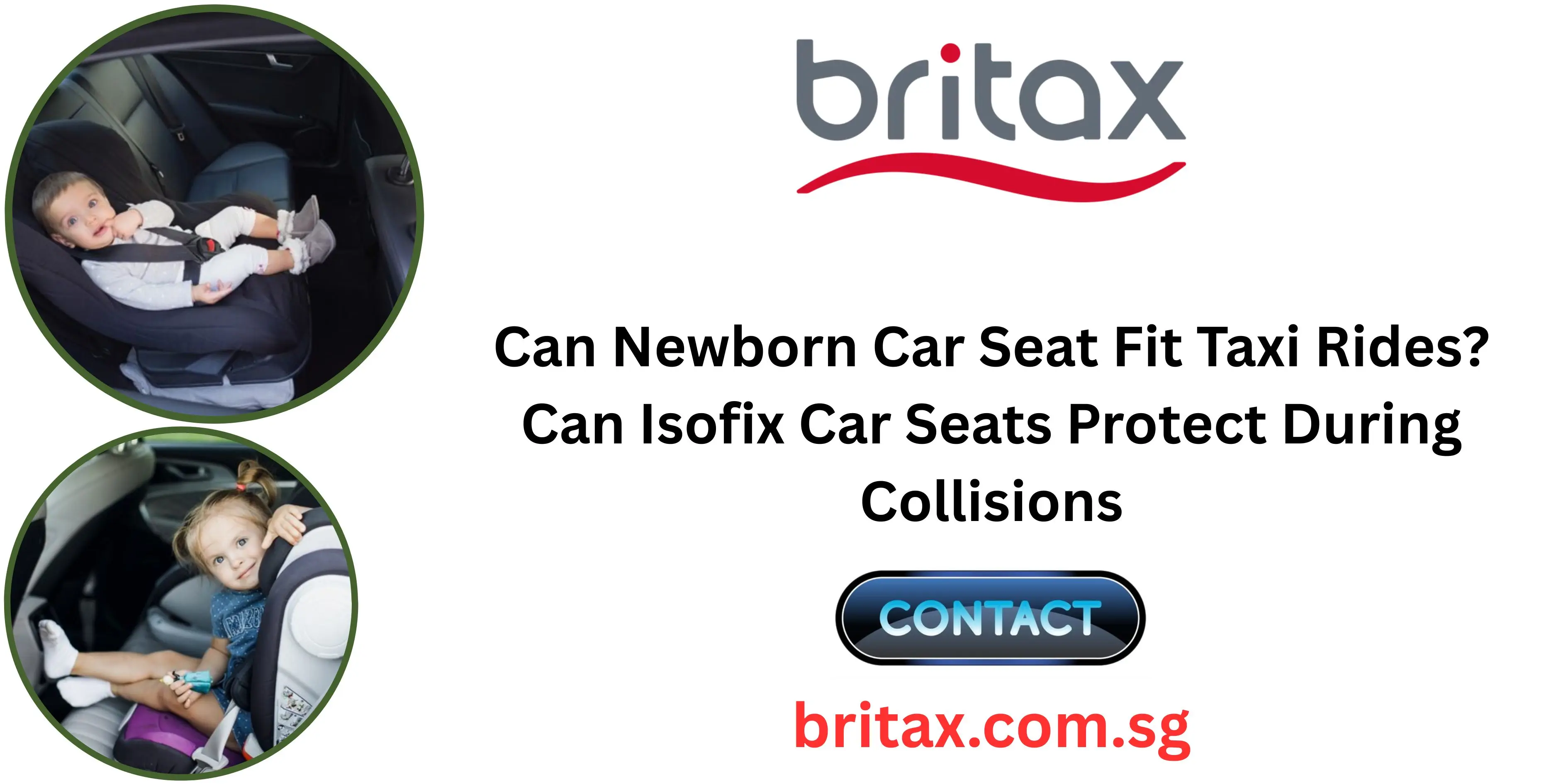

A car seat would be a vehicle seat that is flexible and comfortable, as it can be adjusted by the driver and occupants in terms of position, angle, and support. These seats are designed in a way that they enhance ergonomics, reduce fatigue, and increase safety when one is driving. Modern cars are equipped with adjustable car seats, starting with manual adjustments of the seats and ending with the use of motorized adjustments.
Key Components of an Adjustable Car Seat
Seat Height Adjustment
Allows you to adjust the seat up and down to have your eyes at the same level as the windshield.
Assist taller drivers by not hitting the roof, and at the same time, provide shorter drivers with more visibility.
Seat Recline Mechanism
Adjusts the backrest angle
Provides support during extended road trips and assists in the correct support of the spine.
Lumbar Support Control
Beneficial to the lower back.
Decreases stress and soreness on long road trips.
The OS can be adjusted to a desired level of comfort.
Headrest Adjustment
Rises, falls, steps forward or backward to make him/her in line with the head.
Improves safety through the prevention of whiplash when there is a sudden stop or an accident.
Benefits of Adjustable Car Seats
Improved Comfort
An adjustable car seat allows you to position seats to fit your body the best way possible to decrease discomfort, pressure points, and stiffness, making long travel a much more pleasant experience and painless.
Enhanced Safety
Correctly sitting in the seat with the steering wheel, pedals, and controls enhances the reaction time. The adjustable headrests and lumbar support also ensure that injuries such as whiplash are prevented in case of sudden stops or accidents.
Reduced Driver Fatigue
Ergonomic modifications such as height, recline, and lumbar support reduce muscle strain and joint strain that causes fatigue in the driver and therefore enable the driver to remain active and stay awake during long trips or during heavy traffic.
Better Driving Posture
Adjustable seats promote an upright and ergonomically upright position, sitting the spine, neck, and hips in position, reducing back pains and fostering the long-term health of the spine on daily commutes.
Safety Features Integrated with Adjustable Seats
Airbag Compatibility
Adjustable seats are made in such a way as to keep a sufficient distance between airbags.
Make sure that airbags work well during accidents.
Seatbelt Alignment
Seat modifications assist in getting the seatbelts in place across the shoulders and hips.
Enhances efficiency in an accident.
Child Safety Considerations
A part of the adjustable seats has child car seat attachment possibilities.
Make sure that the height and recline of children are correct and comfortable.
Adjustable Car Seats for Different Drivers
Tall Drivers
Leg and neck strain are prevented by a high seat height and an adjustable headrest.
Proper reclining promotes the comfort of the spine.
Short Drivers
Reduced seat height increases the reach of the pedals.
More comfortable with a raised seat.
Drivers with Back Problems
Recline and lumbar support alleviate chronic pain.
Ergonomic adjustment prevents discomfort in posture.
How to Choose the Right Adjustable Car Seat
Budget Considerations
Adjustable car seats in manual modes are economical, with minimal levels of comfort and longevity. Power and memory seats are more expensive and offer more advanced features, ease in adjustment, and comfort in driving that can give long-term satisfaction.
Vehicle Compatibility
To guarantee that the purchase is made to fit a vehicle, make sure that the adjustable car seat fits into your vehicle's make, model, and size. Check mounting areas, wiring areas, and seatbelt adjustment in a safe, secure, and proper manner.
Comfort Testing
Always ensure to check the adjustable features of the seat prior to buying. Ensure that the recline, height, lumbar, and headrest functions operate smoothly and provide you with enough support and comfort for your posture and driving requirements.
When to Replace an Adjustable Car Seat
Adhere to the expiration date of the manufacturer.
Change following a moderate or severe accident.
Upgrade in case the child is bigger than the weight or height limit.
How to Choose the Right Adjustable Car Seat
Take into account the age of the child, his/her weight and height, and compatibility with the vehicle. Such characteristics as various recline options, an adjustable headrest, and removable inserts could be extremely useful and safe.
Introduction to Protective Car Seats
Safety devices that are used to secure children in vehicles are protective car seats. The seats will fit a child depending on his size, weight, and stage of development, unlike other common seat belts that fit adults. They mainly aim at ensuring that collisions are less severe due to the appropriate distribution of crash forces and movement restriction.
The significance of car seats cannot be overestimated. Car accidents are the major cause of injury to children, and a car seat, when correctly used, will significantly decrease the chances of serious injury or death.
History and Evolution of Car Seat Safety
Early Designs
Harnessless harness booster cushions were the first child car seats to be offered in the mid-20th century. They provided little protection and were primarily utilized in order to lift children up in order to have a better view.
Modern Innovations
The car seats of modern protection have been developed. Now they are equipped with built-in harness systems, energy-absorbing foam, side-impact safety, and safety belt installation systems such as the LATCH system. The regulatory standards and crash testing procedures make sure that all car seats offer maximum protection to children.
Types of Protective Car Seats
Infant Protective Seats
Infant seat is a rear-facing seat that is uniquely designed to suit infants and newborns, offering maximum protection to the head, neck, and spine.
Benefits:
With a rear-facing position, the impact is absorbed to cushion the head, neck, and spine of a baby in case of sudden stops or collisions.
This infant seat is aimed at infants whose weight is between 22 and 35 pounds, according to the manufacturer and model of the seat.
Convertible Protective Seats
The convertible seats can go between rear-facing when the baby is small and forward-facing when the child is already a toddler and can be used over a long period.
Dual-Mode Functionality:
Rear-facing mode is designed to secure the infant and toddler, and the forward-facing mode can fit the older toddler through the harness system of the seat.
Booster Seats
Booster seats move the children who were using the harnessed seats to the normal seat belts, making sure that they fit in the shoulder and lap.
Transition Stage Safety:
Applied to children between four years and twelve years, depending on weight and height, to further strengthen the use of seat belts in the course of travel.
Key Safety Features in Adjustable Car Seats
5-Point Harness System
The harness 5-point is used to attach a child to the shoulders, hips, and the space between the legs to distribute crash forces equally to prevent injuries during collisions.
Side-Impact Protection
The side-impact protection includes padding and strengthening materials that cover the head, neck, and torso of the child, thereby reducing the amount of damage that might have been caused to a child in an accident involving a side collision.
LATCH System
The LATCH system (Lower Anchors and Tethers to Children) presupposes the safe and easy installation of a car seat without the use of seat belts so that the car seat might be stable and safe during each trip.
Materials Used in Protective Car Seats
Protective car seats of high quality have safety and durability through the use of energy-absorbing materials. Foam padding cushions protect against hits, reinforced plastic or metal frames protect the structure when hit, and breathable, washable fabric covers are comfortable, hygienic, and long-lasting in their use by the children throughout their journeys.
Proper Installation Guidelines
It is essential to install it correctly. The seats are to be installed at the recommended angle, be firmly fitted (using a seat belt or LATCH system), and not twisted or slack. Familiar errors, such as loose harnesses or wrong recline positions, should be avoided.
Common Mistakes Parents Make
Wearing the harness loosely or tightly.
Switching a child to the other type of seat early.
Installation of seats at the wrong angles.
Smoking during expiration or after a crash.
Maintenance and Cleaning Tips
Clean off plastic and metal with a wet cloth.
Wash removable clothes in the machine.
Periodically check cracks, wear, or damage of harnesses and connectors.
Conclusion
The protective and adjustable car seats that Singapore provides create safer and more comfortable seating solutions that support proper body alignment for both children and adults.
The selection process, which needs to be done correctly together with proper installation work and maintenance tasks, will create the best travel protection, which minimizes injury risks while giving families complete security during their trips.