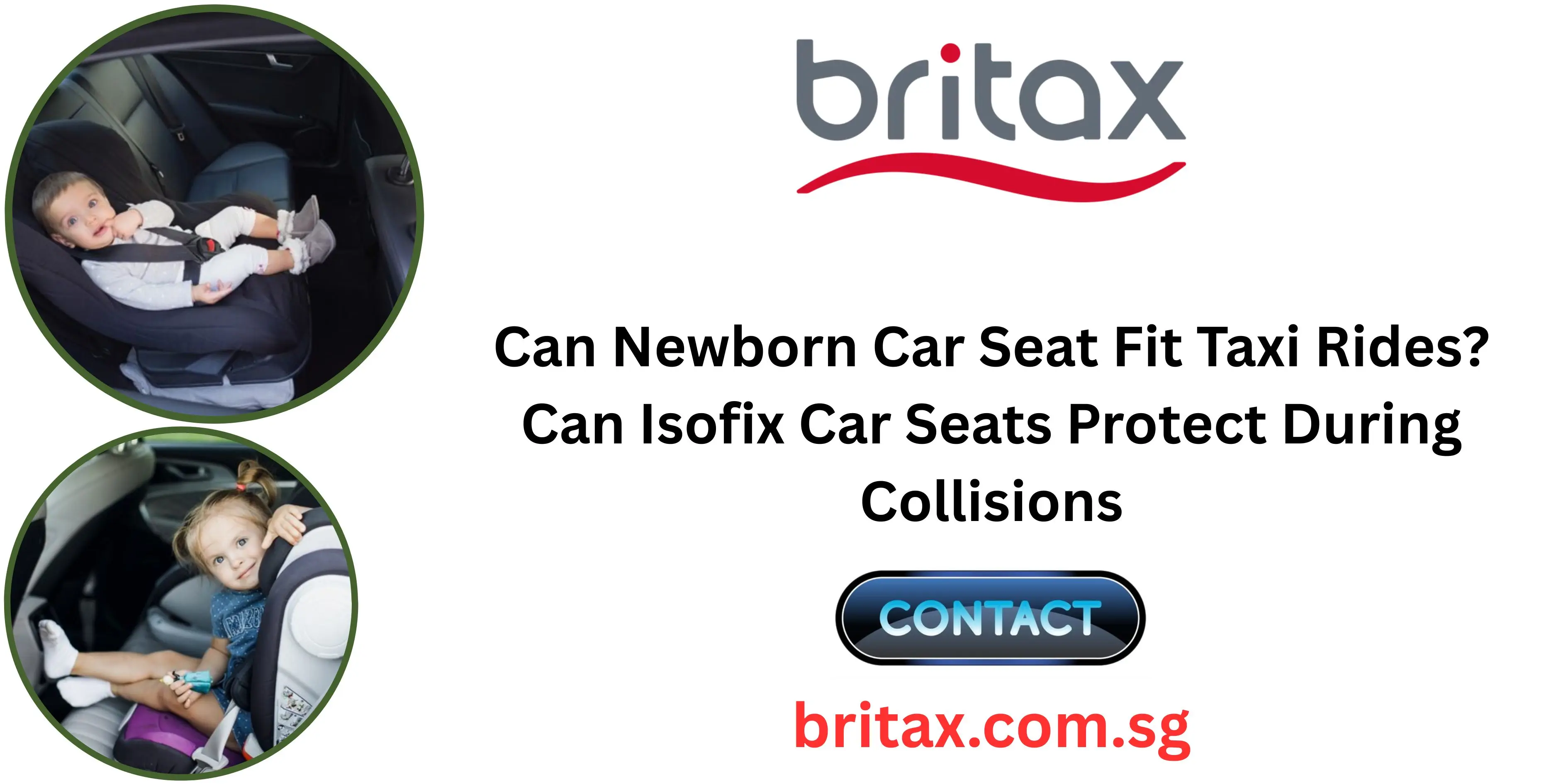

Protective car seats are safety equipment that is fitted into vehicles to ensure that there is security of the passengers in their vehicles (especially babies and children) travelling in the vehicles. They also have other special safety features like a harness system, side-impact protection, cushions made of pads, and strengthened frames as opposed to standard vehicle seats.
These seats are highly testable to ensure high safety standards are achieved. They are primarily meant to safeguard the vulnerable passengers whose bodies are still growing and are unable to secure themselves in adult seat belts.
Key Safety Features of Protective Car Seats
The protective car seats that are being used today have various high-tech safety features that have been added to ensure more protection.
Important features include:
Five-point harness restraint.
Side impact protection provides head and torso protection.
Foam to decrease impact force.
Adjustable seats and belts for developing children.
Anti-rebound bars that restrict movement in crash situations.
All these have been combined to maintain the stability and security of children in various driving situations.
Do Protective Car Seats Protect Babies?
Yes, a car seat is a huge protective measure for babies as it minimizes the dangers of injury in case of a car crash. They absorb the impact of crashes, support the head and spine, and harness restraint. The installation and use are very important, and they are a very important safety measure that can help to keep infants safe when they are driven in cars.
Types of Protective Car Seats for Babies
Rear-Facing Infant Car Seats
Rear-facing seats are advisable for any newborns up to the age of 2 or until the weight limit of the seat is attained. This position gives maximum support to the head, neck, and spine, and the crash forces are evenly distributed throughout the body.
Convertible Car Seats
Convertible car seats that have the ability to be rear-facing and forward-facing can fit large children. They are appropriate for parents who want to get long-term solutions to car seats without jeopardizing their safety.
All-in-One Car Seats
All-in-one car seats can be used as rear-facing, forward-facing, and booster seats. They are versatile, but the parents should make sure that they are installed properly and the weight and height limit is observed to achieve maximum safety.
Key Safety Features in Modern Infant Car Seats
Side-Impact Protection
Most car seats now have side-impact protection that has energy-absorbing layers and strong frames, and this minimizes the chances of head and chest injuries during side collisions.
Five-Point Harness System
A five-point harness is used to fasten the baby at the shoulders, hips, and in between the legs to ensure that the baby is not thrown out or overextended in case of sudden stops or accidents.
Energy-Absorbing Foam
The presence of EPS or EPP foam layers inside the car seat will absorb the kinetic energy during a car crash to minimize the forces against the body of the baby.
How to Choose the Right Protective Car Seat
The choice of the correct protective car seat is determined by a number of factors.
When selecting one, keep in mind the following:
Child’s age, height, and weight
Vehicle compatibility
Safety certification and standards of testing.
Ease of installation
Comfort and padding
Experts suggest that one should select a seat that fits the child and the car to ensure the highest safety.
Benefits of Protective Car Seats
Experts suggest that one should select a seat that fits the child and the car to ensure the highest safety.
More comfortable long-distance travel.
Enhanced support of children in a better posture.
Reduced driver distraction
Parents and caregivers are at peace.
The car seat should be designed in a way that the children are safely and comfortably positioned in it and stable enough to endure the journey.
Additional Tips for Keeping Babies Safe in Cars
Avoiding Bulky Clothing
The harness may not fit properly because of thick coats or blankets. Apply thinner layers and lay a blanket on the harness attached.
Checking Harness Tightness
The harness must fit closely so that you do not have any slack at the shoulder. The right tight harness is essential in the prevention of injuries in case of a sudden stop or collision.
Introduction to Car Seats and Truck Seats
In the regular passenger cars, comfortable car seats are ergonomically designed, supportive, and help give the car a smooth ride. The engineered truck seats, however, are designed to be used by bigger trucks, on long journeys, and for heavy-duty use. Millions of motorists who spend hours on the highway wonder whether they can install more comfortable automobile seats in their trucks.
Why Seat Comfort Matters for Drivers
Spending hours driving can be a strain on your back, shoulders, and legs. Ergonomic seating will decrease fatigue, enhance posture, and improve concentration during driving. In the case of truck drivers, comfort is even greater, particularly when they are on long hauls, since the correct support may avoid chronic pain and injury.
Can Comfortable Car Seats Fit Trucks?
Yes, comfortable car seats can be used in a truck; however, this will be determined by the compatibility with mounting systems, seat size, and safety. The pickup trucks can be modified more easily, but semi and commercial trucks might need adapters or professional installation. Correct installation will result in enhanced comfort, posture, and minimization of fatigue during long traveling without safety compromise.
How Truck Seats Differ from Car Seats
Truck seats are made to accommodate more heavyweight loads, cabin dimensions, and long periods of driving. The truck seats are usually reinforced with frames, varied cushions, and increased weight capacities, unlike the car seats. They can also have suspension systems to drive off-road or on rough roads.
Benefits of Installing Comfortable Car Seats in Trucks
A comfortable car seat may have several benefits:
Improved Driver Comfort
Car seats that are of a high quality have cushy materials and supportive shapes that ensure that driving is an enjoyable experience daily.
Reduced Fatigue on Long Trips
Strain is minimized with better ergonomics and padding so that the drivers are more alert and less fatigued after long journeys.
Better Ergonomics and Posture
Adjustable lumbar support and recline can also be found on car seats and can greatly help to improve posture.
Challenges When Installing Car Seats in Trucks
Although there are advantages, it is important to note the following challenges:
Mounting Compatibility Issues
The installation may require custom brackets or alterations to fit a car seat into a truck.
Electrical and Airbag Connections
Contemporary seats are equipped with reactions, airbags, and cooling/ventilation. Safety is a prerequisite to maintaining the appropriate electrical integration.
Safety and Legal Concerns
Modifying seating systems may influence the performance during the crash and may result in the breach of the local regulations in case of failure to do it properly. Always seek the consultation of a professional.
How to Install Car Seats in Trucks
In case you choose to do this, do it cautiously.
Step-by-Step Installation Guide
Measure the cabin of the truck and compare it with the size of the seat.
Take out the original truck seat.
Installation process of vehicle seats.
Attach the right bracket or adapter.
Install other components such as heated seats and airbags.
Stability and correct functioning test.
Safety Tips When Replacing Truck Seats
Airbag System Compatibility
It is always necessary to ensure that there is no obstruction or interference of airbag sensors by the replacement seat to ensure correct deployment in cases of collision.
Seat Belt Anchoring Requirements
Make sure that all the seat belt anchor points are robust, stable, and well-aligned to manage the forces of crashes safely and effectively.
Professional Installation Recommendation
Should you have doubts about installation, then employ a professional person because improper fitting may restrict the safety and performance during a vehicle crash.
Aftermarket Seat Options for Trucks
Look at quality aftermarket truck seat manufacturers with reputable aftermarket truck seat designs that are either custom or universal and put more emphasis on comfort, safety, and fitting.
Conclusion
The System of protective car seats protects babies because of the harness system, side impact protection, and energy-absorbing material, and a comfortable car seat may help to improve the comfort of a truck driver. These seats are important in safeguarding passengers and alleviating the fatigue experienced by travellers because of proper fitting, matching, and professional advice towards safety and comfort.